
A blueprint for transforming neighbourhoods across the UK
Macmillan Cancer Support and Social Finance have partnered since 2015 to pioneer the use of social investment in health and social care. Macmillan was the first national charity to show that outcomes-based contracts can drive sustainable new models of care, with funding repaid only when tangible impact is achieved for people living with cancer and other long-term conditions. In this article, Heather McLean, Director of Community and System Partnerships at Macmillan, shares the latest innovation in this work – Neighbourhood Transformation Funds – a model designed to build the kind of community-powered care people want and deserve.
Tags


When I joined the Macmillan Partnerships Team nearly four years ago, what excited me most was the chance to work more closely with communities and to rethink how care is developed and delivered.
Take Bradford. Through the Care and Wellbeing Fund, and in partnership with Marie Curie and Bradford Teaching Hospitals NHS Trust, we halved the number of days people spent in hospital in their last year of life. The Marie Curie REACT service showed how powerful it can be when partners back innovative community-led solutions.
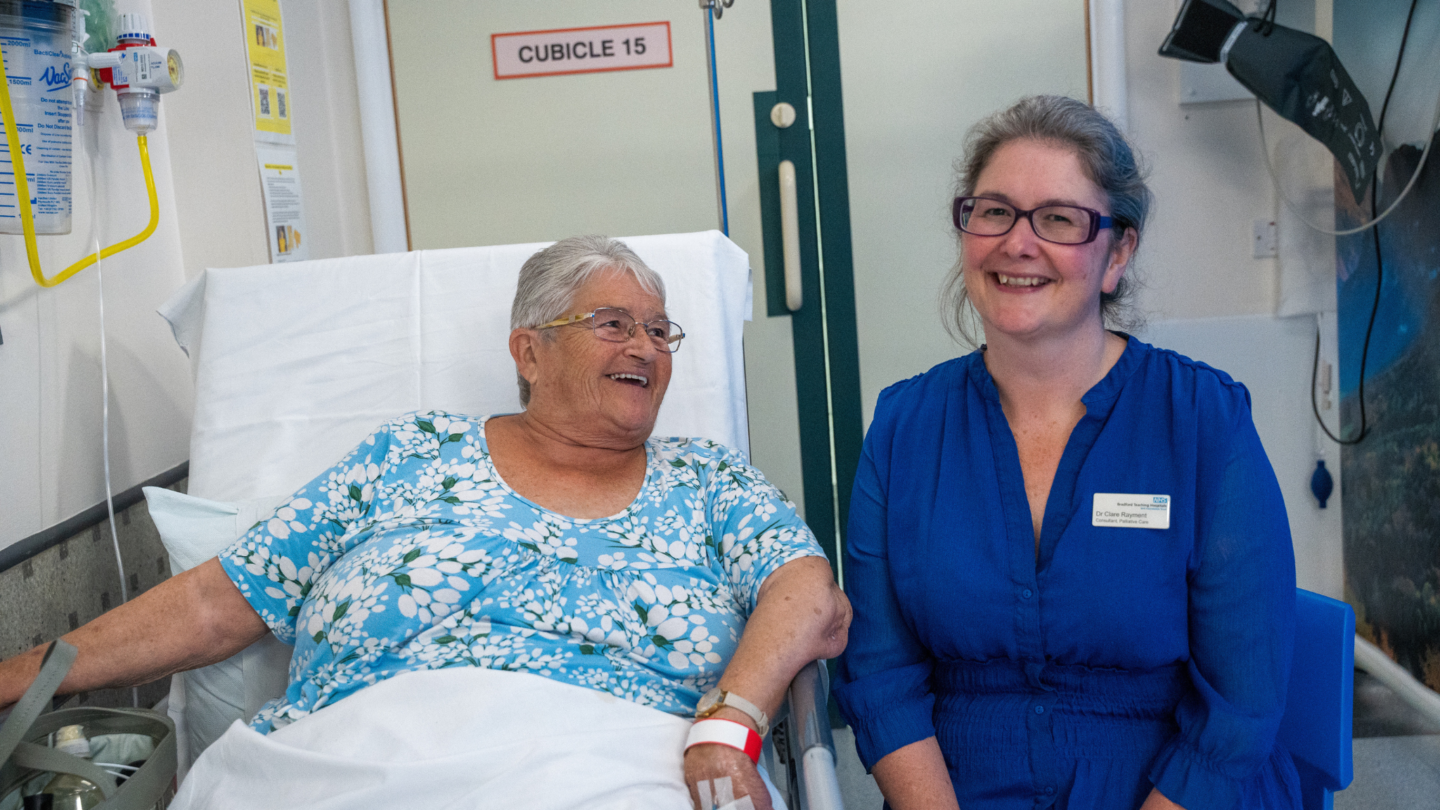
Building on the learning from the Care and Wellbeing Fund, Macmillan launched the £36 million End of Life Care Fund in 2021 to help turn patient choice into a reality.
In Oxford, the Rapid Integrated Palliative and End-of-Life (RIPEL) service has delivered an 11-day reduction in hospital use in a person’s last year of life, saved more than 15,000 bed days and supported 4,655 people with personalised care.
The service is now locally sustained and repayments to Macmillan can be reinvested into new models of care.
For an organisation that has historically funded roles and services through grants, this is a significant shift in how we unlock long-term impact.

Rapid Integrated Palliative and End-of-Life (RIPEL)
Find out more about RIPEL and the Macmillan End-of-Life Care FundLooking ahead: Being at the cutting edge of neighbourhood-first care
Now we want to go further. Macmillan aims to be at the cutting edge of neighbourhood-first care and that means working in wider partnerships across the NHS, local communities and voluntary organisations. No single organisation can do this alone.
Neighbourhood Transformation Funds are our blueprint for smarter, more proactive care. They help shift the centre of gravity away from an over-stretched, reactive and expensive hospital system, towards integrated community teams who can intervene earlier and more effectively.
We know the appetite to work differently is huge. What’s often missing is the space, resource and support to design new models while still delivering day-to-day services. This blueprint brings together social investment, innovative structures and community partnerships to make neighbourhood-based care a reality.
Putting communities in the lead
At its core, the Neighbourhood Transformation Fund is about community empowerment, not top-down redesign. It recognises that what matters most is placing communities at the heart of shaping services. There is no single solution; each neighbourhood will design what works for them.
With Social Finance, we are supporting local groups to form Community Interest Companies (CICs). This gives neighbourhoods ownership, a route to attract further investment and the ability to reinvest any savings from reduced hospital use straight back into their community teams.
Changing the game: West Hertfordshire
One example is our work in West Hertfordshire. The model has three parts:
- proactive anticipatory care
- the neighbourhood integrator
- the Anchor Offer
The proactive anticipatory care service brings together multidisciplinary teams to proactively support more than 2,000 older people across four neighbourhoods.
Social investment underpins this model, with funding repaid as outcomes are achieved. This directly links financial return to people’s wellbeing and reduced pressure on hospital services.
The neighbourhood integrator, a locally owned CIC, provides the infrastructure for integrated working across organisations. It ensures services reflect local priorities and that savings from reduced hospital activity stay within the neighbourhood.
The Anchor Offer, funded as a grant and supported by Macmillan, provides shared infrastructure, small grants to grassroots groups and peer learning opportunities. Its purpose is simple: help neighbourhoods shape the services they need.
For Macmillan, outcomes-based contracting is far more than a programme. It is an investment in moving away from an outdated, hospital-first system and towards long-term, community-powered care.
Together with Social Finance, we’ve shown this model works. Now we want to build on that momentum, mobilising partners and investment to scale this blueprint across the country and make community-powered care the standard

Contact us about Neighbourhood Transformation Funds
To talk to us about this work, please contact Macmillan Cancer Support or Social Finance directly by email systeminvestments@macmillan.org.uk or socialoutcomes@socialfinance.org.uk
Or use the contact form