
IPS Grow: Transforming care systems through a person-centred approach
Tags

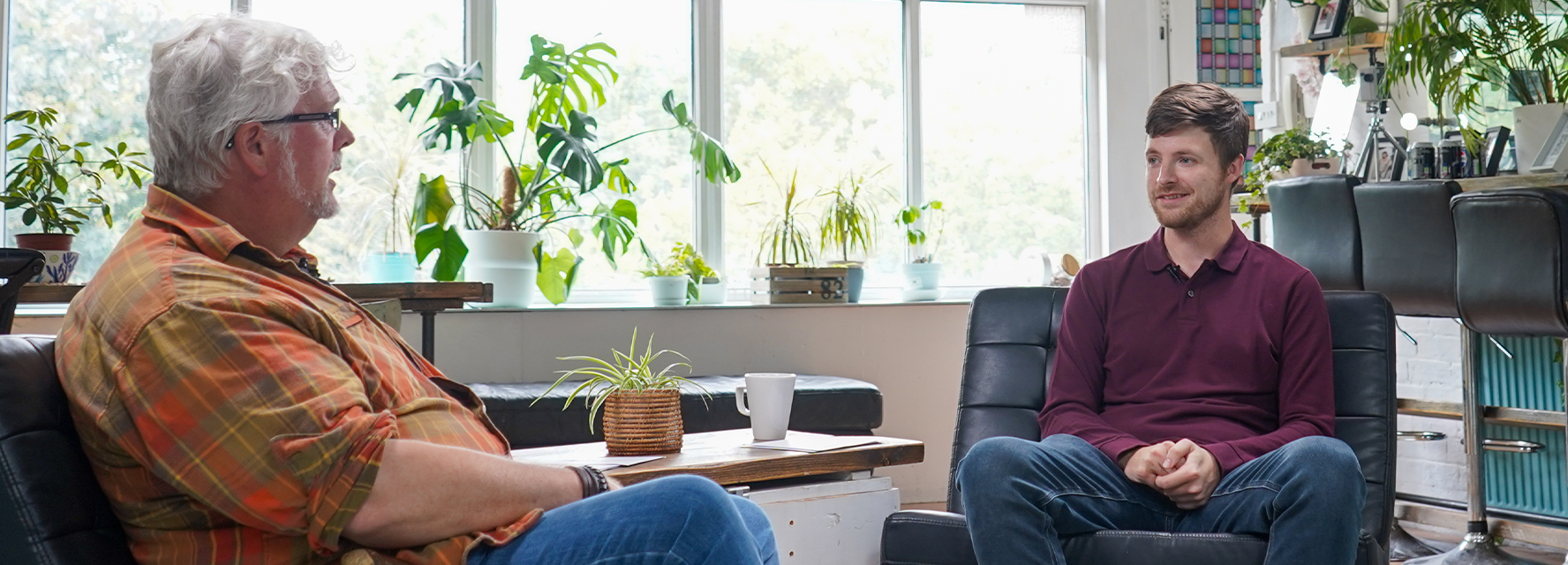
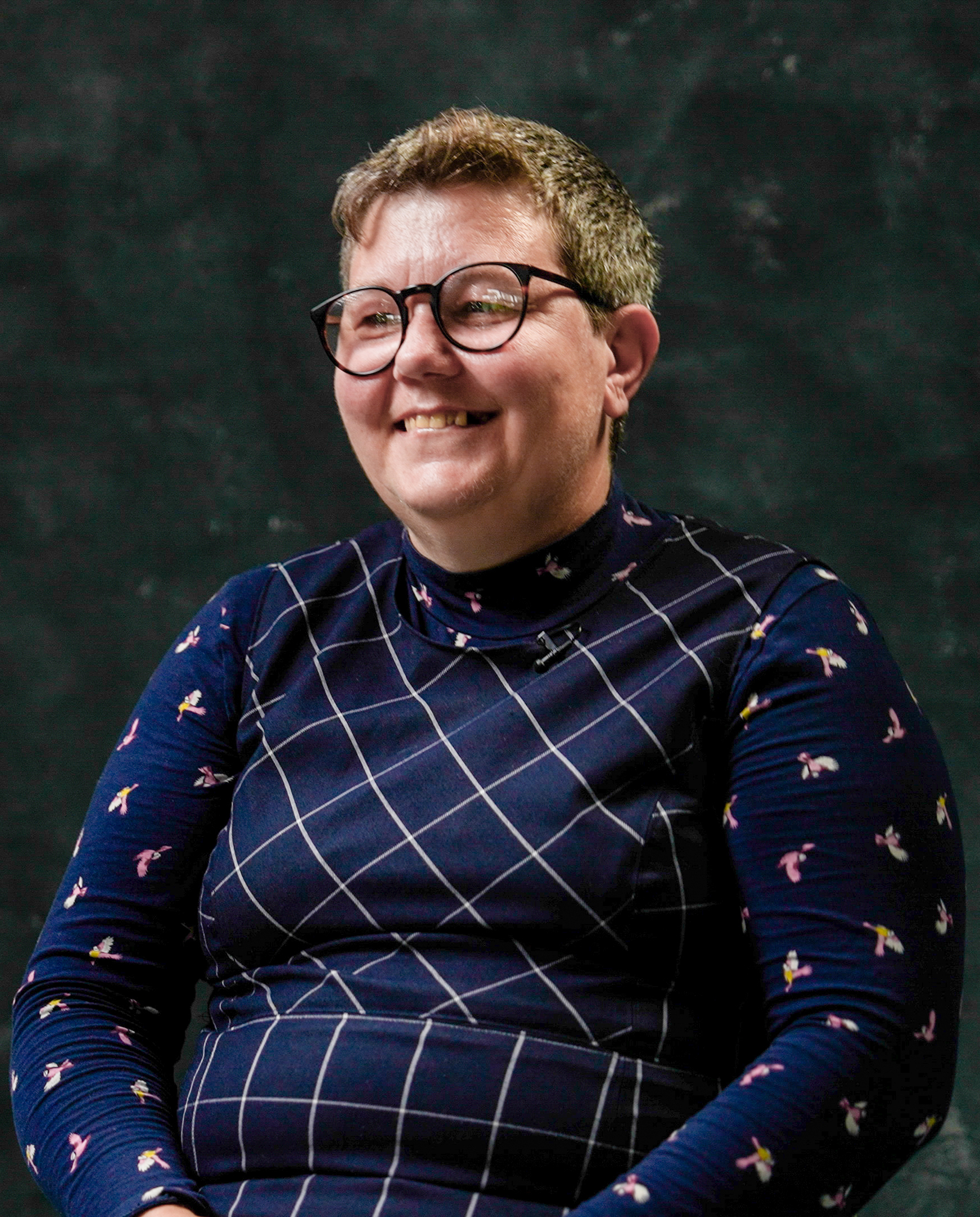
From left to right: Tray, an IPS employment specialist; Martin, an IPS client; Rachel, an IPS client; Dan, an IPS employment specialist
Author
When I try to explain what person-centred support really means, here is a compelling example:
Martin lives with long-term clinical depression. There were times when leaving the house felt too much, and he had convinced himself he would never work again.
What mattered was that his IPS Employment Specialist began with what he wanted, what felt possible and what kind of work would fit with his life rather than trying to match him with an available position.
Together, they found a part-time cleaning role that was right for him and it has made a profound difference to his confidence and wellbeing.
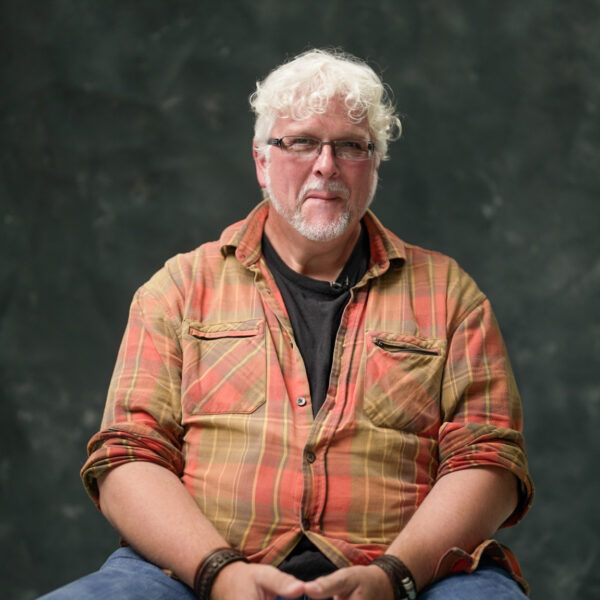
I know it’s just a cleaning job, but it’s just great. It’s having the structure, the money, and just building gradually from that.
Martin, cleaner helped into work by an IPS team
The right job can bring income, of course, but also connections, confidence and hope.
For Martin, it was about finding work that matched his own ambitions and wishes, and gave him something to build from.
What IPS has taught us about starting with people
For people living with severe mental illness, or recovering from drug and alcohol addiction, finding and keeping a job can feel impossibly far away. Health can fluctuate, confidence can disappear and medication can bring side effects. And too often, people encounter systems that start with eligibility, risk or readiness, rather than with the person who needs thoughtful support.
That is what I find so powerful about IPS, the starting point is somewhere very different: with a person’s hopes, strengths, ambitions and wishes for a good life. It is a “place then train” model, built on the belief that employment can be part of recovery itself, not something people have to earn their way towards once they are deemed “work-ready”.

When Social Finance first became involved in this work, the evidence for IPS was already strong. Pioneering clinicians – most notably Rachel Perkins, who established England’s first IPS service in 1999 – had shown what was possible. But by 2014, too many people with health conditions were still disconnected from the labour market, and access to good support was inconsistent.
So the question for our teams became a very practical one, how do you take something that works, help local systems commission and deliver it well, and then scale it without losing the human focus that makes it work in the first place?
From what I have seen of IPS, it’s clear that evidence and empathy do not sit in tension with each other. IPS is one of the most rigorously evidenced employment interventions in the world, backed by 28 randomised controlled trials, but that does not make it rigid – the support wraps around the person.
Two people receiving IPS may have completely different journeys. One person may want a few hours a week to rebuild structure and confidene while another may be ready to return to a career they thought they had lost. What stays consistent is the quality of the support around them which includes listening carefully, taking their ambitions seriously, working with employers, and staying alongside them after they start work.
Changing systems without losing sight of people
This is why IPS has changed more than employment outcomes; it has challenged how systems define good health and recovery. The evidence tells us that IPS consistently outperforms traditional vocational support, and national guidance is clear that employment should be embedded within community mental health transformation, not treated as an optional add-on.
That requires real system change. It means health, social care, local government and VCSE partners agreeing that good work is part of the wider set of outcomes that matter to people, alongside better health, independence, relationships and quality of life. It also means designing services around the person’s ambitions and wishes, rather than around organisational boundaries. People like Martin do not experience employment, health, housing, relationships and financial security as separate boxes, so our systems cannot keep behaving as if they are.
IPS gives us a practical example of what this looks like. By placing an employment specialist alongside the clinical team, it makes work a live part of the conversation about treatment, recovery and wellbeing. For integrated care systems, neighbourhood teams and VCSE partners, the opportunity is to build shared outcomes that start with what people themselves say would make life better, and then align commissioning, workforce, data and accountability around those outcomes.
How can we scale what works?
It is one thing to show that a model works in a small number of places; it is another to support hundreds of local teams to deliver it well, in very different communities, while holding onto both the discipline and the human centred approach. Social Finance did that with the Mental Health Employment Partnership (MHEP) – testing outcomes-based commissioning across different places. IPS Grow, which we created in 2019, then built the national infrastructure, workforce support and quality assurance, including fidelity reviews, technical assistance and communities of practice, that help local providers deliver IPS to high standards.
IPS Grow does not deliver IPS itself but rather its role is to strengthen the delivery of others. Since 2019, the teams it supports have grown from a handful of teams to more than 300 today: 202 in mental health and 107 in drug and alcohol services. The outcomes have strengthened alongside that growth. In drug and alcohol treatment, 52% of people now start work within 18 months, up from 30% in the original IPS-AD trial. Internationally, the evidence shows IPS roughly doubles employment rates compared with traditional support, around 55% against 25%. Those numbers are important because thousands of people being supported to pursue work that means something to them.
And the model keeps evolving. Having begun with severe mental illness, it is now used extensively in addiction services, a defined adaptation is being developed for young people, and its principles are reaching wider populations through Connect to Work. The real test of system change is not whether something gets bigger but whether partners across health, social care, employment support and the VCSE can organise themselves around person-centred outcomes and keep asking the most important question: what matters to you?
What I hope comes next
Rachel, an IPS client, says this far more powerfully than I ever could:
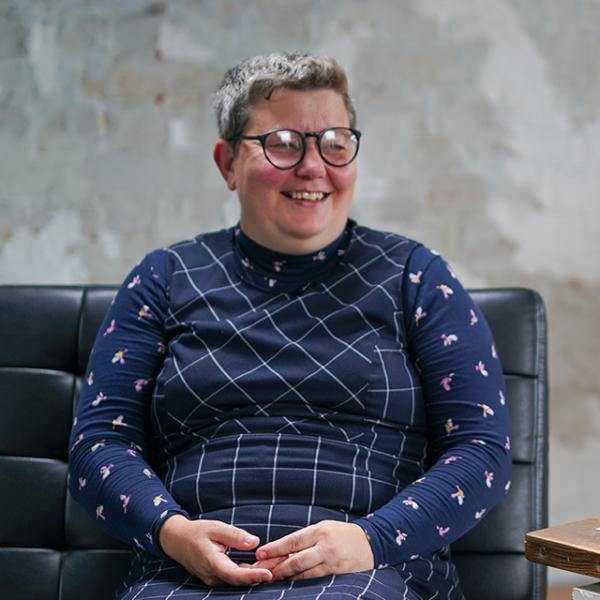
If it wasn’t for my IPS Employment Specialist, I wouldn’t be here today. She guided me through every step of this journey. And now I’ve got the best job ever – it’s what I wanted: to give something back in the way people have given to me.
Rachel, IPS Client
So when people ask whether a high-fidelity model can really be person-centred, my answer is yes – but only if we remember what the model is there to protect. Not a process for its own sake, but the simple, radical act of asking someone what matters to them, taking the answer seriously, and then building the support around it.