
Transforming health care for communities through social investment
Tags
Author
Alan’s story — a health crisis averted
When Alan* fell again, his carer feared the worst. In his eighties and managing several long-term conditions, even a small accident could have meant another hospital stay — or worse. But this time, help arrived before things reached crisis point.
A newly formed Proactive Anticipatory Care (PAC) team visited Alan at home, adjusted his medication, linked him to a local exercise group, and gave his carer vital respite support.
Within weeks, he was more stable, more confident, and less dependent on emergency care.
That quiet transformation — one home visit at a time — is what the West Hertfordshire Neighbourhood Integrator (WHNI) was built for.
Launched in September 2025, it’s one of two funds created through the Neighbourhood Transformation Fund (NTF) — a bold new approach from Macmillan Cancer Support and Social Finance that helps local systems invest in prevention and community-based care.
*all identifying details have been changed to ensure patient confidentiality

Alan’s* story brings home the types of local residents we’re trying to support in West Hertfordshire. When you bring together a team with the right skills, capability and connections, there is so much we can fix in our broken health and care system.
Toby Hyde, Chief Strategy Officer & Managing Director, SW Herts Health & Care Partnership, Speaking on 1st December 2025
A better way to care in West Hertfordshire
Starting in late 2025, the PAC team — delivered by the Central London Community Healthcare Trust in partnership with West Hertfordshire Teaching Hospitals NHS Trust — is supporting the area’s most vulnerable residents.
By the end of 2028, it’s hoped that 2,000 patients, as well as their families, carers and the community around them, will benefit.
By having a specialist team focussed on joined up proactive care, rather than waiting for crisis admissions, clinicians can understand the full picture of someone’s health and wellbeing — from medication management to social isolation — reducing avoidable hospital stays and improving quality of life.
But another important factor in the success of PAC is the Neighbourhood Transformation Fund model, which has Voluntary Community Faith and Social Enterprise (VCFSE) organisations right at its heart.
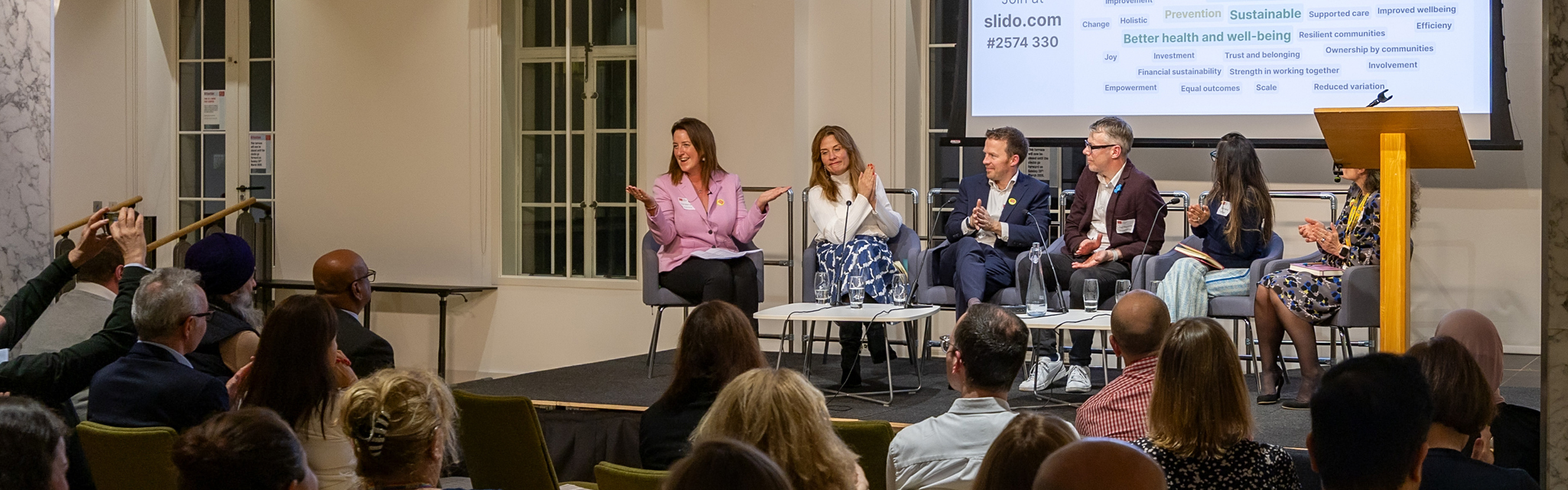
Social investment event, 1st December 2025


Prevention needs communities
Many of the NHS and Voluntary Community Faith and Social Enterprise (VCFSE) organisations that Macmillan and Social Finance partner with, tell us they’re strongly supportive of the government’s planned shift in England towards community-based, preventative care that focuses on tackling health inequalities.
One of the panellists at our event in December 2025 – Dr Minal Bakhai, NHSE’s National Lead for Neighbourhood Health Implementation – emphasised that for the shift towards community care to happen, we need to generate a broader cultural shift.
So rather than dealing with individual symptoms, we should always consider the whole person.
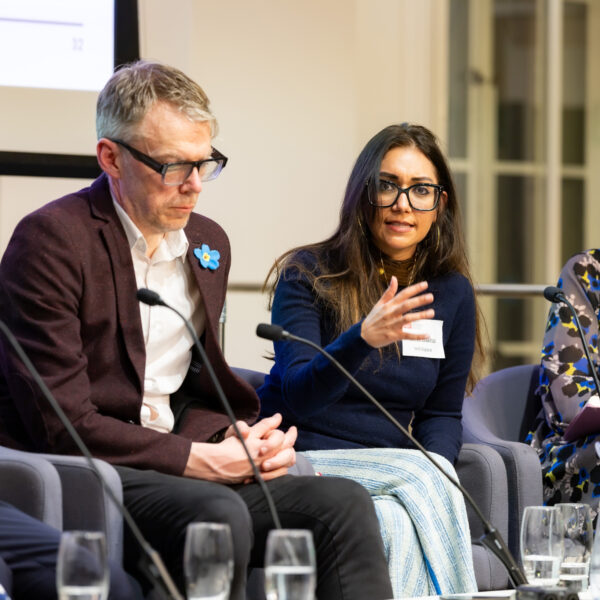
Without investing in community and community infrastructure we’re not going to be able to tackle some of our deepest health challenges.
Dr Minal Bakhai, National Lead for Neighbourhood Health Implementation, NHS England, speaking at “Transforming communities with social investment” event on 1st December 2025
However, as both Dr Bakhai and her fellow panellist Paul Reynolds from Alzheimer’s Society, highlighted – intense funding pressures on community care and VCFSE organisations coupled with high demand for acute services are barriers to shifting care away from hospitals and towards a community-based, person-centred model.
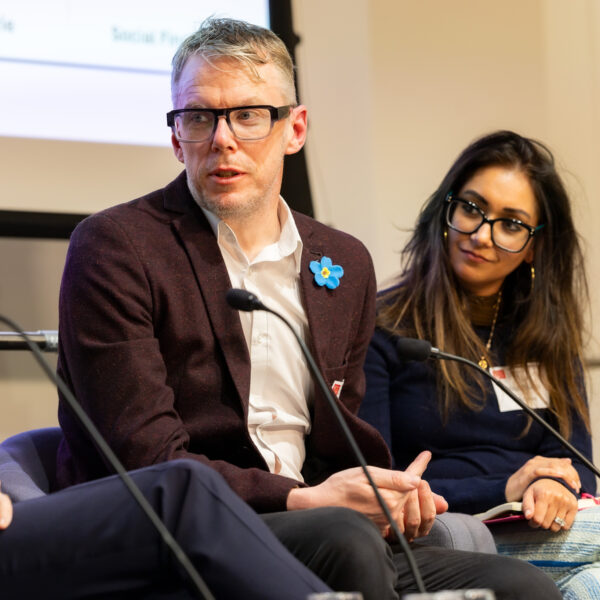
That prevention agenda really is focused for us on releasing the pressure from NHS and social care systems for as long as possible by providing that community network of support.
Paul Reynolds, Associate Director of Commercial and Partnerships, Alzheimer’s Society
Neighbourhood Transformation Fund
Macmillan Cancer Support and Social Finance developed the Neighbourhood Transformation Fund (NTF) model to tackle some of the challenges outlined by our panel.
They build on the proven value of outcomes-based approaches to commissioning and service delivery.
At its core, a not-for-profit investor, such as Macmillan, agrees to fund a service or programme of work that aims to achieve certain outcomes in a particular area.
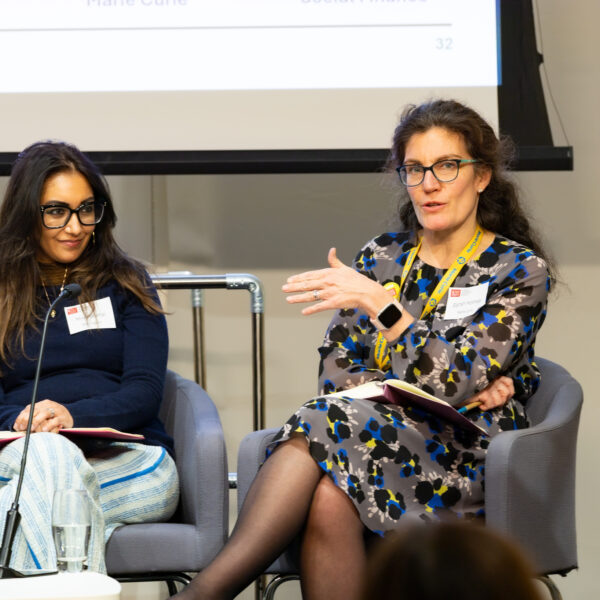
This funding approach can really move us forward from being very cautious about models and delivery of care, to thinking about things more creatively and innovatively.
Dr Sarah Holmes, Chief Medical Officer at end of life charity Marie Curie, speaking on 1st December 2025
Since 2015, Social Finance and Macmillan have been collaborating to improve health outcomes for people living with cancer and other long-term conditions through social investment.
We’ve worked together across a range of outcomes-based social investment projects including the £12M Care and Wellbeing Fund and the £36M End of Life Care Fund.
The NTF model is the latest innovation in our partnership, build on learnings from a decade of collaboration.

Our partnership with Social Finance has been absolutely critical… the two organisations have grown together over the last ten years.
Gemma Peters, CEO, Macmillan Cancer Support
Aligning with the NHS 10-year plan, NTF combines three elements:
* Investing in prevention – outcomes-focused funding of holistic, person-centred services across multiple issues, linking payments to reductions in unplanned and emergency spend.
* Local ownership – investments are managed through locally-owned Community Interest Companies (CICs) that reinvest savings and attract further funding.
* Community integration – VCFSE organisations are embedded in service design and delivery to drive equitable access and outcomes for underserved groups.
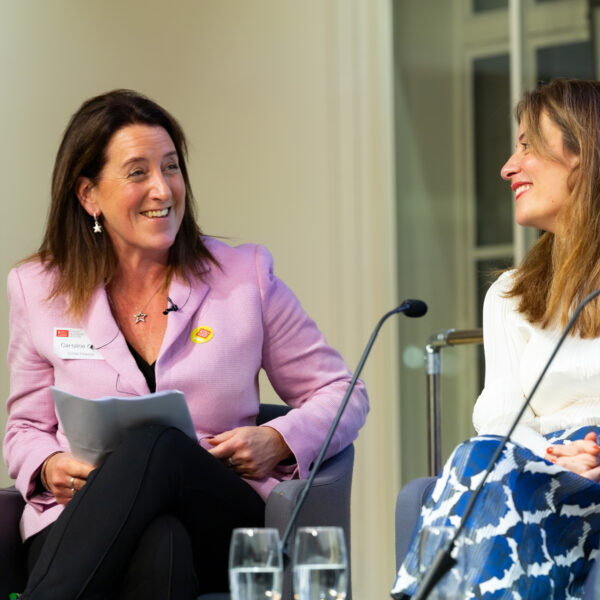
This is a model that really puts local communities in charge of decision making and delivery from day one – so a really exciting innovation.
Caroline Gadd, Chief Executive, Social Finance
Interested in finding out more about social investment?
To talk us about this work please contact Macmillan Cancer Support or Social Finance directly by email systeminvestments@macmillan.org.uk OR socialoutcomes@socialfinance.org.uk OR click on the button below.
Contact Social Finance