
Agenda Alliance – advocating for women and girls
Tags

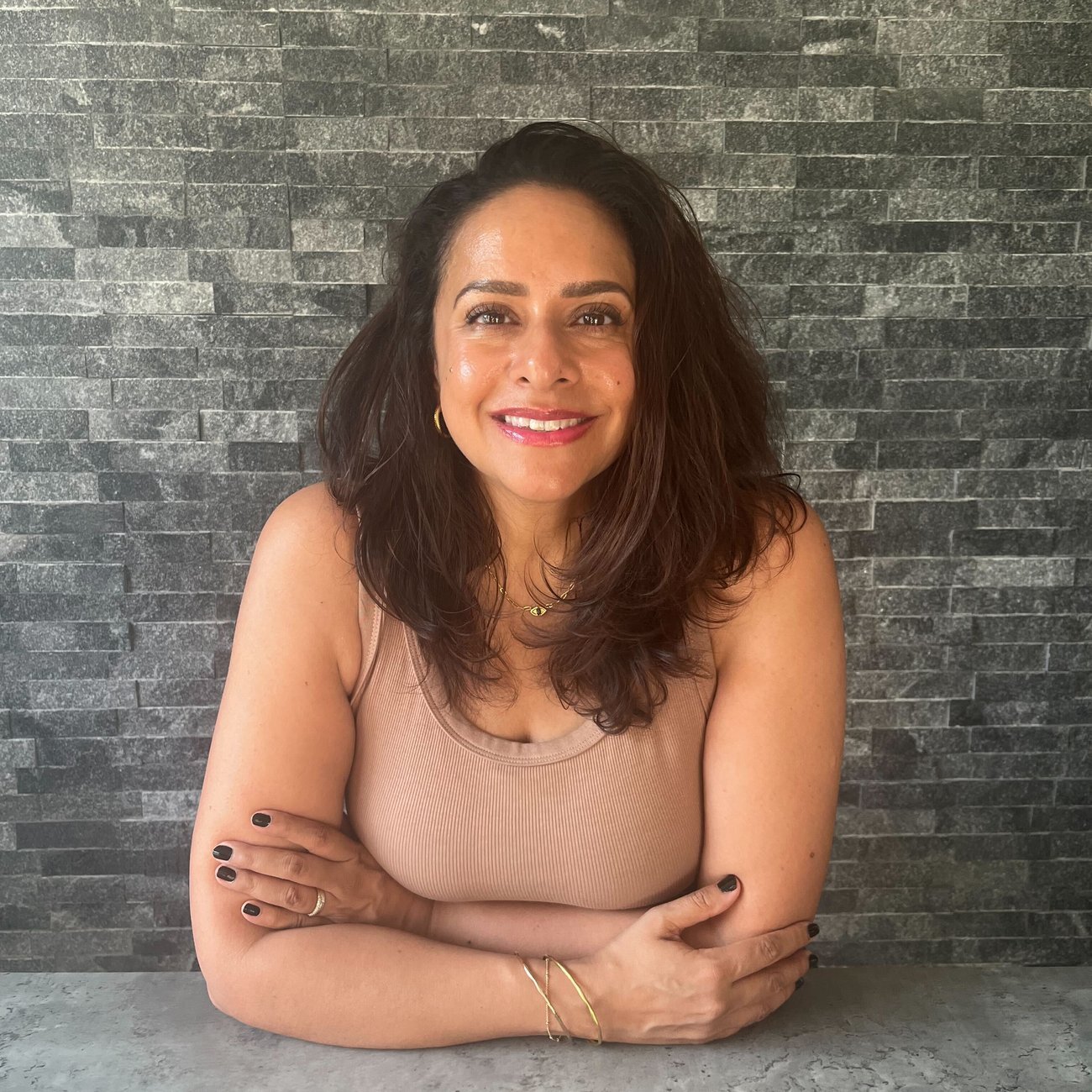
I’m proud to be the Chief Executive of Agenda Alliance, a national Alliance advocating for women and girls experiencing multiple unmet needs, including poverty, homelessness, mental ill health, substance misuse and criminal justice contact.
I’ve led Agenda Alliance for nearly five years, and in that time, we’ve achieved a lot – convened our members at our very first member convention, supported decision-makers to understand the needs of women and girls at parliamentary events, featured in the national media, and even took our members to No.10 Downing Street. In all of this, we have centred women and girls with unmet needs, and meaningfully involved and platformed them as experts in our strategy, campaigns, and policy asks.
I have a background in marketing and communications, having previously headed up the communications teams at Spark Inside – a charity delivering coaching programmes in prisons – and the Peter Jones Foundation. I’ve also worked with Government myself, working within the Equalities Office and leading marketing for the 2012 London Olympics. Additionally, I spent time as a Trustee and interim Chair at Birthrights, a charity existing to protect your human rights during pregnancy and childbirth. This is a cause close to my heart, as having suffered with birth trauma when I had my son, and post-natal needs that were unmet, I know first-hand the need to be heard and for dignity and respect in childbirth.
My own lived experience — and the experiences that women and girls across the country go through every day — inspire me to get up each morning and fight for women and girls encountering the sharpest forms of marginalisation to be recognised, centred and responded to within policy and practice. I’m delighted to be involved in coordinating this fund, as I know all too well the devastating effect that violence can have on women and girls in London, and how even the risk of violence can lead to spiralling mental and physical health, along with a whole host of other unmet needs.
What led to the establishment of Agenda Alliance?

The seeds for Agenda Alliance were sewn all the way back in 2007, when Baroness Corston published a landmark report on the needs of women in contact with the criminal justice system. The report noted:
“Without a proper central structure, regionalised provision of services is likely to lead to further dilution of expertise in women-specific agendas at a time when what is needed is a central point of excellence and a champion for women to drive agendas forward.”
Eight years later, in 2015, a group of trusts, foundations and charities came together to build momentum on the Corston report’s call to action, and worked to establish a specific movement for women and girls with unmet needs. With that, Agenda Alliance was born, creating an Alliance advocating for change for women and girls at risk. Since 2015, we’ve grown to an Alliance of 130+ organisations across the country who all work with, support, or advocate for women and girls with unmet needs in some way – from large, national campaign organisations to local, specialist community groups. Each and every one of these organisations contribute so much to the cause of ending the marginalisation faced by women and girls, and bring their own specialisms – including anti-racism, drug and alcohol support, housing support, mental health treatment, and domestic abuse services.

What services do you provide?
Agenda Alliance does not deliver frontline services. Many of our 130+ members do, and the role of Agenda Alliance is to convene, listen to and advocate for those incredible organisations – particularly those delivering specialist services. Equally, we advocate for young women and girls experiencing marginalisation, and support our Alliance members who work both directly and indirectly with girls and young women. Due to this, our work is centred around policy and influencing, campaigning, research, and co-production, all with the representation of our membership in mind.
Our role as an Alliance is to represent, support and convene our 130+ members to create a shared and powerful movement for change in order to challenge the marginalisation experienced by women and girls with unmet needs. There are various ways we do this: we bring together relevant member organisations for roundtables on issues such as school exclusions, the criminalisation of women and girls, and girls with mental health needs – in order to influence collaboratively.
We also create development opportunities for our members – recently, on International Women’s Day, we brought a group of member organisations to No.10 Downing Street to meet with the Public Appointments Team, with a view to increase representation of women in public-facing roles.
To centre lived experience in our work, we have a Women’s Advisory Network (WAN) and a Girls Advisory Network (GAN) — a group of women and girls with experience of multiple unmet needs who inform our strategy, policy messages, and campaign asks.
How did you get involved with the Girls and Young Women Local Groups Fund?
Our expertise in understanding the needs of women and girls with multiple, overlapping traumas and disadvantages has been known since our inception in 2015, as well as our ways of working with women and girls that centre their expertise in our coproduction and codesign work. Through our influencing work and the frontline work of our members based in London, we’ve been acutely aware of the different forms of violence and exploitation that girls and young women in London face or are at risk of.
We were incredibly excited to have the opportunity to partner with Abianda, a long-standing member of Agenda Alliance, and Social Finance, in the delivery of this work. We take very seriously what the girls and young women we will work with tell us about their experiences and the types of support they need and are not getting. We were also keen to use our role in this work to challenge harmful, often racist narratives imposed on girls and young women who can get caught up in violence in London, to shift focus onto the drivers of exploitation, rather than criminalising girls and young women.
What is your role in the fund and how does this fit in with your wider agenda?
Our role in the fund is to provide specialist support to the project partners so that their experiences and the experiences and expertise of the girls and young women they work with are effectively understood, and their ideas for solutions are taken into account. We led efforts to engage organisations and community groups in London to encourage applications to the fund, and supported engagement activities with prospective project partners. Now that the project partners have been announced, we are leading on inducting project partners into the programme, supporting Abianda with delivering sessions, and leading the co-design and co-production sessions for project partners. All of this activity fits within Agenda Alliance’s role as a membership organisation that convenes, supports, and promotes the work of our 130+ Alliance members who work to address unmet needs experienced by women and girls, and our work to influence the wider public sector to improve systems and services for the most marginalised women and girls, including those at risk of violence and exploitation.
Is there anything else you want to add?
This work is incredibly important, because it highlights the role that community groups – who often are overlooked in publicity, funding, and evaluation – have in challenging some of the most complex forms of marginalisation and exploitation that girls and young women can face. At Agenda Alliance, we consistently highlight the role that local, specialist organisations have in working with women and girls, and this project allows us to back these words with action, and more importantly, vital funding. It’s a positive step to have MOPAC recognise the need to fund this area of work, and I can’t wait to see how this project develops.