

Abianda
Abi Billinghurst, the Founder and CEO of Abianda, explains Abianda’s work with girls and young women and its involvement with the MOPAC Girls and Young Women Fund

Kaya Comer-Schwartz, Deputy Mayor for Policing & Crime (MOPAC) in London
The Girls and Young Women Local Groups Fund aims to strengthen both direct support and the evidence base on what works, by offering grants to London-based community groups already working with girls and young women impacted by violence and exploitation.
The grants process is being overseen by Social Finance, in partnership with specialist organisations Abianda, a charity working with girls and young women affected by criminal exploitation, and Agenda Alliance, a national alliance advocating for women and girls experiencing multiple unmet needs.
Abi Billinghurst, the Founder and CEO of Abianda, explains Abianda’s work with girls and young women and its involvement with the MOPAC Girls and Young Women Fund

Indy Cross, the Chief Executive of Agenda Alliance, outlines the work of the Alliance and its role with the Girls and Young Women Fund.
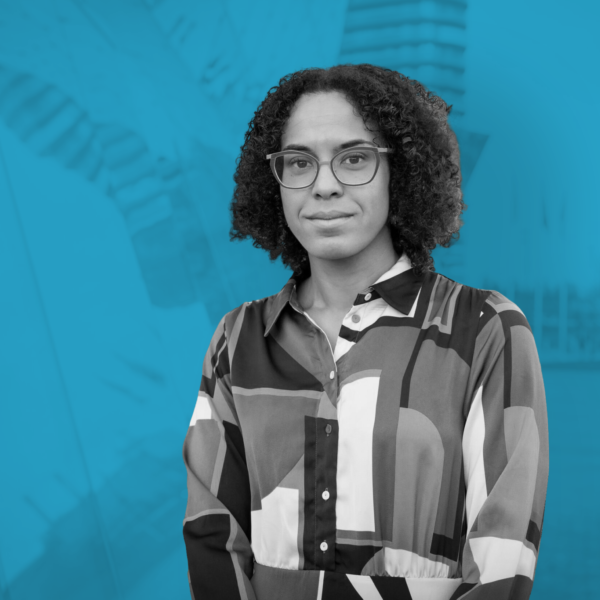
I’m proud to be able to support the Girls and Young Women Local Groups Fund. By delivering group work and creating safe, supportive spaces for girls and young women who have faced harm from gangs, violence and exploitation to share their experiences of what life is like, we can better meet their needs and make our city safer for every woman and girl.
Kaya Comer-Schwartz, Deputy Mayor for Policing & Crime, MOPAC


The grantees of the Girls & Young Women Local Groups Fund to support girls and young women impacted by gangs, violence and exploitation. The 12 organisations awarded funding are:
Local groups funded through this programme have four main roles:
Alongside funding to deliver group work and enable girls and young women to co-produce recommendations for improving the sector, the fund offers structured development activities to support grantees and build a network of providers.
The Fund focuses on achieving outcomes across two key priorities:
Through delivery of group work, development support for grantees and co-production activities, the fund will generate the following learning and evidence to inform practice, policy and commissioning:
The Girls and Young Women Local Groups Fund is part of a London-wide initiative by the Mayor’s Office for Policing and Crime (MOPAC).
The programme brings together the voices and experiences of girls and young women and practitioners across the sector to improve how girls and young women affected by violence and criminal exploitation are identified, understood and supported across London.
The Local Groups Fund supports community‑based organisations to create safe, gender‑responsive spaces where girls and young women can receive support, build trust and shape learning based on their lived experience.
The work will generate learning and evidence on what works in supporting this cohort of girls and young women, language and definitions that are inclusive and accurate, and will build a contemporary understanding of girls and young women’s needs beyond the gang member narrative.
The fund was shaped through a co-design process with young women who have lived experience or knowledge of gangs, violence and exploitation. Their insights directly informed the Fund’s priorities and activities, helping ensure it reflects the needs of this cohort of girls and young women.
Alongside the Local Groups Fund, there is funding to develop a Risks and Needs Framework, led by Abianda in partnership with Research in Practice and the University of Lancashire. The Risk and Needs Framework strand will take learning from existing research, practitioner expertise and the voices of girls and young women to improve how systems identify and respond to girls and young women’s needs.
Co-production and practice learning across the Local Groups Fund will inform and strengthen practice, policy making, and commissioning in providing girls and young women with the support that they need, beyond the gang member narrative. The Risk and Needs Framework project will support better practice from systems and safeguarding partners in identifying girls and young women, and their individual needs, enabling professionals to offer them the most appropriate support.
At its core, this is one programme, working to achieve the same goal; improved understanding, better support and ultimately better outcomes for girls and young women.


