
The Better Futures Fund: Why it matters and why it needs heart as well as finance
Tags
Author
Gordon Brown has called the rise in child poverty over the past decade “shameful – a scar on the soul of our nation.”
His compassion for children, young people, and families is unmistakable, and it resonates strongly with me; both as the CEO of an organisation dedicated to tackling society’s toughest challenges and as a respite foster carer who sees the scale of the opportunity to better support children.
Like Gordon Brown, I know that if we want to make real progress on child poverty, we need new ways of funding support for children and families.
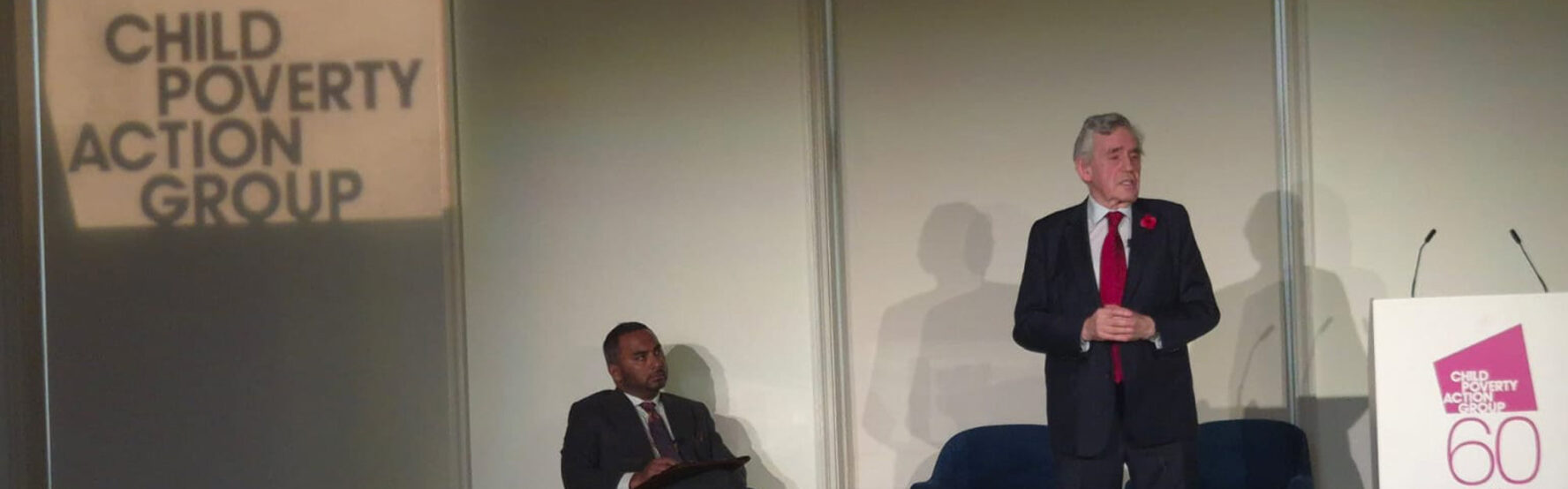
At our meeting to discuss the Better Futures Fund, Social Finance co-founder Sir Ronnie Cohen and Gordon Brown reflected on how the pioneering Peterborough Social Impact Bond (SIB), launched by Social Finance in 2010, transformed reoffending rates and repaid investors when it worked.
That model set the stage for a new era of social investment.
Today, the need for fresh thinking is even more urgent. Early intervention funding has almost halved over the last decade while more children face crisis: entering care, missing education, or needing acute mental health support. For those who work with these families, this won’t be surprising, but it should concern all of us.
That’s why the new £500 million Better Futures Fund (BFF) matters. Matched by local government, investors, and philanthropists, it’s the largest fund of its kind and could help lift up to 200,000 children and families out of poverty.
As Sir Ronnie Cohen has long argued, we can’t solve today’s social problems with yesterday’s financial tools. Impact investment and outcomes-based funding need to become the norm if we want public money to stretch further and achieve more.
The Better Futures Fund is a £500 million national commitment to help up to 200,000 children and their families over the next ten years, matched by local government, investors and philanthropists. It will fund support so that struggling and vulnerable children can access better education, safer homes and the caring, supportive environments they need to flourish.
BFF is an outcomes fund. Instead of paying organisations for activities — hours of support delivered, forms completed, referrals made — it pays for real, measurable improvements in people’s lives, such as higher school attendance, improved attainment, better family stability, reduced youth reoffending and stronger employment prospects. Government payments will be tied to whether these outcomes, defined and agreed in advance, are achieved.
BFF will act as a central pot of funding to commission multiple Social Outcomes Partnerships over a decade. Each partnership will bring together local providers, social enterprises, commissioners and investors to achieve outcomes around a specific place or issue. Together, they create a programme that can grow and adapt over time, test different approaches, and build an evidence base about what works.
The SOP model is powerful because:
- Public bodies such as local authorities, ICBs and national government pay for independently verified outcomes rather than inputs, which can offer better value than traditional commissioning. A 2022 BSC report found SOPs deliver £10 in value and £3 in savings for every £1 spent.
- Providers and delivery partners gain the flexibility to design and adapt services around what actually works for families and young people in their area.
- Investors and philanthropists can put in money up front, sharing risk and helping to build services that are sustainable, preventative and long term.
In short, the Better Futures Fund uses the outcomes fund model to pay for impact, not activity – and to do so at scale, over time, so that more children can grow up safe, supported and with genuine opportunities for a better future.
Timeline for the Better Futures Fund
The Department for Culture, Media and Sport is still designing the Better Futures Fund, but the plan is for a two-stage rollout with dedicated support to build local capacity and capability.
The first phase: will open for bids in autumn 2026, will focus on projects where all partners already have a strong track record of delivering Social Outcomes Partnerships.
A second multi-year phase: anticipated to launch in 2027, will then aim to significantly increase the number of social outcomes partnerships in operation and open up participation to a wider range of organisations across the market.
What we’ve learned and what will help BFF succeed
Since launching the Peterborough SIB in 2010, we’ve built deep UK and international experience working in Social Outcomes Partnerships (SOPs) as Social Impact Bonds are now known. We’ve enabled the deployment of over £500m of impact-focused capital to date, including supporting the design and delivery of over 40 UK-based projects.
Here are the key lessons we’ve learned:
Partnership must mean true partnership: Collaboration works best when every organisation, from local authorities to charities and investors, truly commits to working together. It’s important to acknowledge real and perceived imbalances in power and take proactive steps to manage them. Shared purpose and shared power keep everyone moving forward.
Independent data ensures the focus stays on outcomes: Independent performance management turns accountability into insight. In our work on the Mental Health & Employment Partnership (MHEP), independent data ensured partners learned in real time, shifting the conversation from hitting metrics to understanding meaningful change.
Learning takes time and support: Complex projects can feel daunting. Success depends on creating breathing room; the skills, data, and tools partners need to adapt and innovate together. When we invest in learning, change sticks.
Keep people, not processes, at the centre: Financial models and data systems are only enablers. Real progress keeps human relationships – children, families, and frontline teams – at the centre. Social Finance’s human-centred design practice exists to keep that focus alive in every partnership we build.
Our shared purpose – making children’s lives better
Ultimately, all the financial and partnership engineering in the world means nothing unless it changes children’s lives. I see that truth every week as a short-break (respite) foster carer.
Children don’t care how their support is funded; they care that someone turns up with consistency and kindness, that home and school feel safe, and that an adult believes in them.
Social Outcomes Partnerships work because they give teams the freedom to focus on those impacts and to respond and adapt when circumstances change.
The outcomes that matter most are the building blocks of childhood:
- Safer, more stable homes
- Better attendance and engagement in school
- Early mental health support before crises hits
- Children seen and supported in their communities
What I hope comes next
If the Better Futures Fund succeeds, it will reflect the kind of country we want to be: one that invests in prevention and early help, refusing to accept poor outcomes for children as inevitable.
It can become a model for change, here and beyond the UK; showing that finance with heart can tackle even the toughest social challenges.
Above all, it can give children what they need most: stability, safety, care, opportunity, and adults who won’t give up on them. That’s why I’m proud of the role Social Finance plays in making this happen — and why, as both a CEO and a foster carer, I believe this fund truly matters. Because in the end, it isn’t only about money — it’s about every child’s right to a better future.
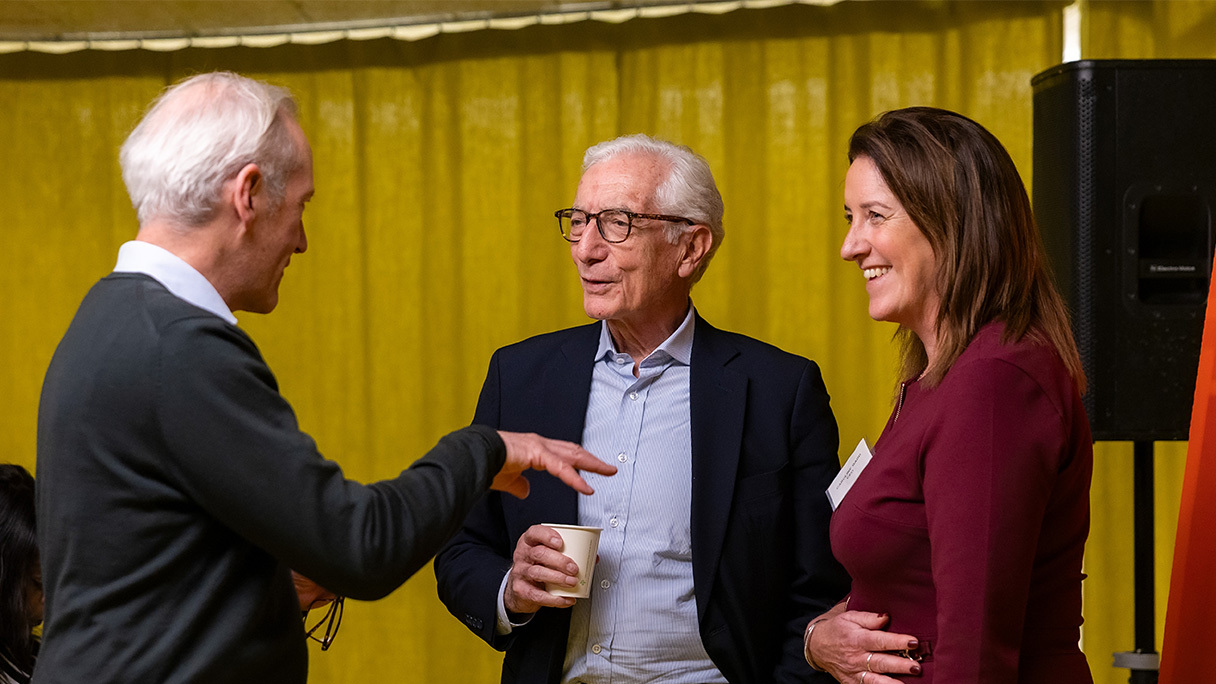
“Impact is the answer for cash strapped governments”
Sir Ronnie Cohen shares his views on impact investing and how the Better Futures Fund could fund innovative ideas with potential to scale.
Read the article here